Understanding Natural Backlink Profiles in B2B SEO
If you want to know how a company’s marketing engine really runs, don’t look at the homepage. Look at the backlink profile. It’s the digital equivalent of a credit report: not just who’s vouching for you, but how, why, and whether it passes the sniff test with the algorithmic auditors at Google.
In B2B, where sales cycles are long and every dollar of CAC is scrutinized, a natural backlink profile isn’t just a vanity metric—it’s a leading indicator of whether your content, brand, and pipeline are built to last.
What Is a Natural Backlink Profile?
Let’s get the jargon out of the way. A natural backlink profile means your site earns links the way Warren Buffett earns trust: slowly, from credible sources, and without shortcuts.
These are links you didn’t buy, beg, or barter for. They come from industry publications, partners, analysts, and customers who found your content useful enough to reference—without a nudge from your PR team or a wire transfer to a link farm in the Balkans.
Google’s algorithms, now more forensic than ever post-2024 updates, are trained to spot the difference.
Why Natural Backlinks Matter for B2B
Why does this matter for B2B? Because in enterprise buying, trust is currency. Your buyers Google you, your competitors Google you, and—most importantly—Google itself decides whether your content gets seen based on signals of authority and relevance.
A natural backlink profile is the closest thing to a third-party audit of your digital reputation. It’s also one of the few SEO levers that compounds over time, quietly lowering your CAC and increasing pipeline quality long after the initial investment.
The Risks of Unnatural Link-Building
Here’s the operational reality: unnatural link-building—think paid placements, reciprocal link schemes, or a sudden spike in links from unrelated blogs—might juice rankings for a quarter. But it’s a ticking time bomb.
When (not if) Google’s next algorithm update hits, those gains evaporate, and you’re left explaining to the board why organic pipeline cratered and CAC payback doubled overnight. Worse, a manual penalty can sideline your domain for months, tanking both inbound and brand credibility.
What Does a Natural Backlink Profile Look Like?
So what does a natural backlink profile actually look like in the wild? Three characteristics stand out:
- Diversity of referring domains. You want links from a mix of industry sites, news outlets, partners, and even the occasional forum or review platform. If 80% of your links come from a single directory or a cluster of low-quality blogs, that’s a red flag.
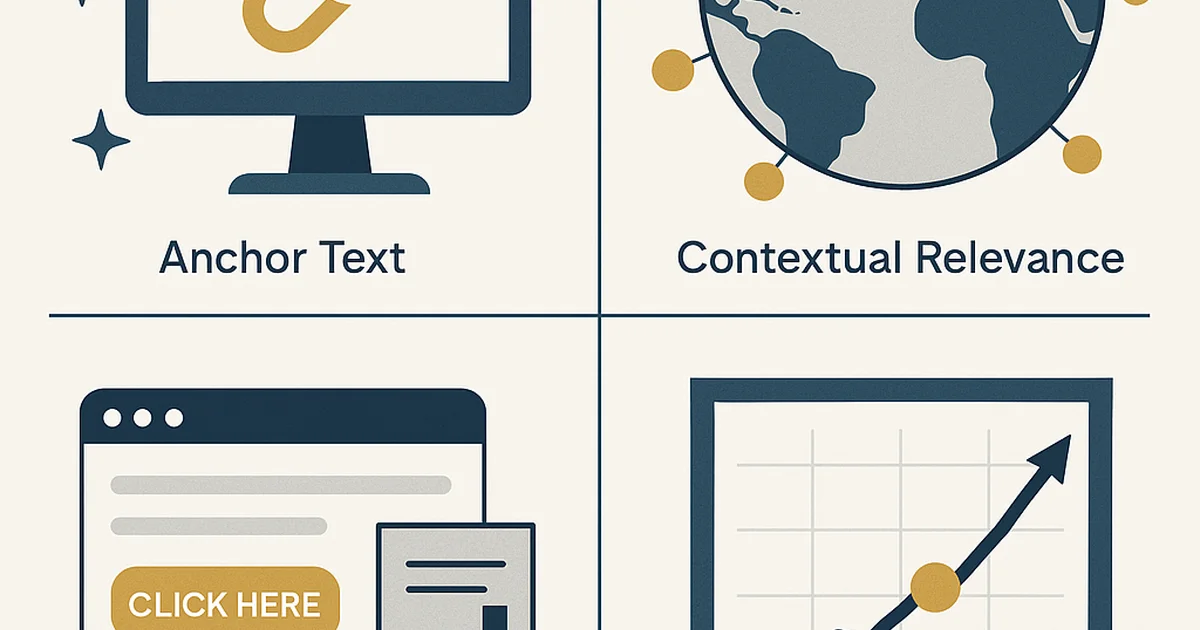
- Varied anchor text. Natural profiles have a blend of branded, generic (“click here”), and topic-relevant anchors. If every link uses your target keyword verbatim, you’re waving a flag at Google’s spam filter.
- Contextual relevance. The best links come from content that’s genuinely related to your offering. A link from a respected SaaS analyst’s blog is worth more than ten from unrelated coupon sites.
The Math Behind Natural Backlinks
Let’s put some math behind this. Assume your current organic pipeline is $1M/quarter, with a CAC payback of 14 months. If you invest in content that earns 10–15 high-quality, natural backlinks per quarter, you can expect a 10–20% lift in organic rankings for target keywords over 6–12 months (based on recent B2B SEO benchmarks).
That translates to a 15–25% increase in qualified inbound leads, which—if your funnel conversion rates hold—could shave 2–3 months off CAC payback and boost NRR by 3–5 points. Conversely, if you chase shortcuts and trigger a penalty, expect organic pipeline to drop by 30–50% and CAC payback to balloon past 18 months. The sensitivity is real, and the downside risk is asymmetric.
How to Audit and Improve Your Backlink Profile
Step-by-Step Backlink Audit
What’s the pilot? In the next 2–3 weeks, audit your backlink profile using a reputable tool (Ahrefs, SEMrush, or Moz). Map out:
- The percentage of links from unique, relevant domains (target: >60% from industry-relevant sources).
- Anchor text diversity (no single anchor should exceed 10–15% of total links).
- Link velocity (steady, not spiky—avoid sudden surges that look manufactured).
Remediation and Content Strategy
If you spot concentrations of low-quality or irrelevant links, disavow them and double down on content that earns links organically: original research, data-driven benchmarks, or practical frameworks that peers want to cite.
Partner with your product and customer teams to surface case studies and integrations that naturally attract attention from analysts and industry blogs.
Risks and Watchouts
Risks? The main confounder is attribution lag—organic SEO improvements take time, and it’s easy to over-credit or under-credit link-building efforts in the short term.
Watch for contamination from legacy link schemes or negative SEO attacks (competitors spamming your domain with junk links). If you see a sudden drop in rankings, check for manual actions in Google Search Console and be ready to respond with a cleanup plan.
Conclusion: Treat Your Backlink Profile as an Asset
Bottom line: In B2B, a natural backlink profile is the difference between a pipeline that compounds and one that collapses at the first sign of algorithmic turbulence.
Treat it like a balance sheet asset—build it patiently, monitor it rigorously, and defend it against shortcuts. If your SEO agency can’t show you the math behind their link strategy, it’s time to reallocate that budget to assets that actually move the revenue needle. Model or it didn’t happen.