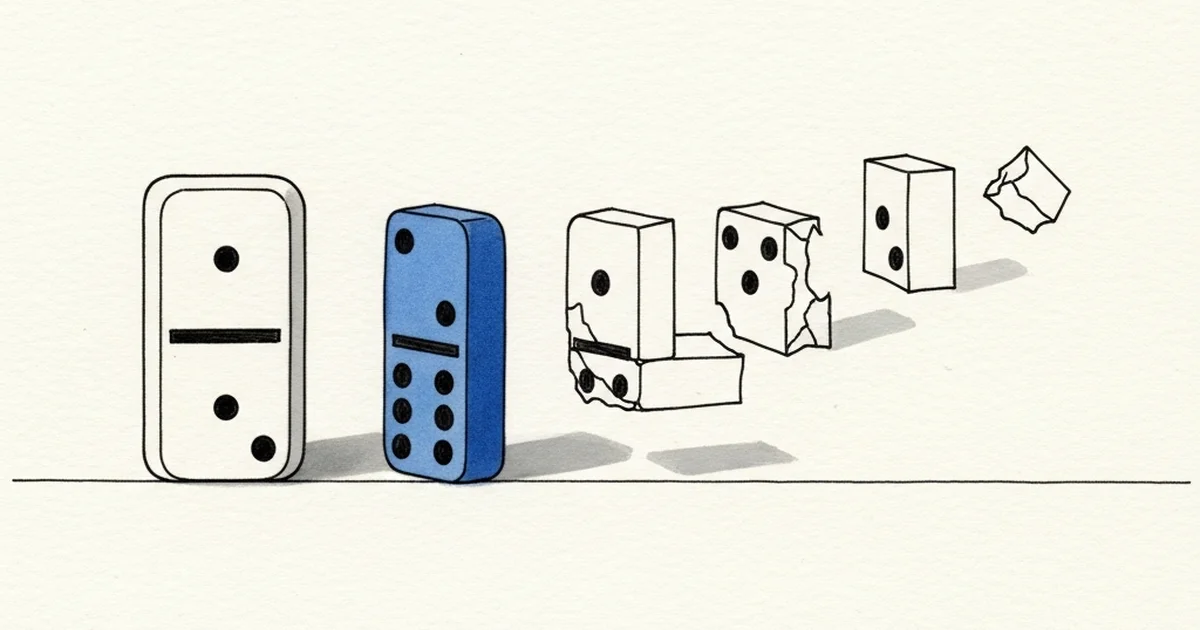
Reactive SEO: The Silent Budget Killer
Let’s talk about reactive SEO—the marketing equivalent of only buying smoke detectors after your kitchen’s already on fire. It’s the strategy that says, “We’ll fix it when it breaks,” which is great if you’re repairing IKEA furniture, but catastrophic if you’re trying to build a brand that actually lasts longer than a TikTok trend.
Here’s the scene: You’re cruising along, organic traffic looking healthy, dashboards green as a Whole Foods salad bar. Then—bam!—Google drops an algorithm update, your rankings nosedive, and suddenly your CEO is asking why the only thing climbing is your paid ad spend. Cue the emergency Zooms, the frantic audits, the “Who deleted the Schema markup?” Slack messages. Welcome to the glamorous world of reactive SEO, where every day is Whac-A-Mole and the only thing compounding is your stress.
Reactive SEO: The Silent Budget Killer
Let’s strip this down. Reactive SEO is what happens when you only address problems after they’ve already torched your KPIs. It’s the digital equivalent of waiting until your car engine seizes before you check the oil. Sure, you can fix it—but you’ll pay through the nose, and you’ll lose a lot more than just a few weekends.

The real cost? It’s not just the invoice from your SEO agency for “emergency triage.” It’s the opportunity cost—the revenue you never see, the leads that never land, the brand visibility that quietly evaporates while your dashboards are still patting you on the back for last quarter’s numbers. It’s the slow, silent decay that happens when you’re too busy fighting fires to notice the house is sinking.
And here’s the kicker: in 2025, search is less forgiving than ever. Google’s running more tests than a Silicon Valley sleep lab, and AI-powered search results are rewriting the rules faster than you can say “E-E-A-T.” One-time fixes? About as effective as putting a Band-Aid on a leaky dam.
Why This Matters: The Compound Interest of Neglect
Let’s zoom out. In a world where every brand is fighting for a sliver of attention, SEO isn’t just a channel—it’s the foundation. Lose your footing, and you’re not just slipping down the rankings; you’re handing your competitors the keys to your pipeline.
Reactive SEO doesn’t announce itself with a siren. It’s the slow fade: rankings slip, impressions flatten, and before you know it, your “steady” traffic is a mirage. By the time you notice, your competitors have already moved in, redecorated, and started hosting dinner parties with your former customers.
And don’t get me started on the operational cost. When your team is stuck in firefighting mode, there’s no time for innovation, no bandwidth for experimentation, and certainly no appetite for risk. You’re not building; you’re patching. And in marketing, patchwork never wins the marathon.
The Real-World Fallout: Lessons from the Front Lines
Let’s put some faces to the numbers. Remember that SaaS darling that lost 70% of its organic traffic overnight? That wasn’t a freak accident—it was months of drifting focus, missed technical warnings, and a content strategy that tried to be everything to everyone. By the time the algorithm changed, the damage was already done. Recovery? Slow, expensive, and—here’s the gut punch—never quite complete.
Or the wedding venue that lost its local rankings because a routine CMS update wiped out Schema markup. No alarms, no flashing lights—just a gradual disappearance from search results while competitors scooped up the business. By the time the team noticed, the opportunity was gone for good.
How to Escape the Reactive Trap (Without Losing Your Mind)
Here’s the good news: escaping reactive SEO isn’t about working harder; it’s about working smarter. Think of it as moving from crisis management to brand insurance.
- Schedule, Don’t Scramble: Set regular technical audits and content refreshes. Every 60–90 days, not “when something breaks.”
- Build Topic Authority: Stop chasing every shiny keyword. Cluster your content around core themes and own your expertise.
- Monitor Early Warning Signals: Drops in impressions, CTR, or crawl frequency are the canaries in your SEO coal mine. Don’t ignore them.
- Strengthen Before You’re Forced To: Use tools, trend analysis, and competitor gap assessments to shore up your content before the next update hits.
- Shift the Mindset: Move from “fixing SEO problems” to “preventing SEO problems.” Prevention is cheaper, faster, and a lot less stressful.
Jon’s Take: Why Proactive SEO Is the Only Game Worth Playing
Look, I get it. In marketing, there’s always a shinier object, a louder fire, a new channel promising overnight success. But here’s the truth: SEO is a marathon with weekly sprints. The brands that win aren’t the ones with the flashiest campaigns—they’re the ones who treat SEO like compound interest. Small, consistent investments that pay off exponentially over time.
Reactive SEO is like trying to win the Tour de France on a unicycle: technically possible, but you’ll look ridiculous and you’ll never catch the peloton. Proactive SEO, on the other hand, is the steady cadence that keeps you in the race, no matter how many hills Google throws your way.
Final Thought: Don’t Let Your Brand Become a Case Study in Neglect
In the end, the true cost of reactive SEO isn’t just the money you spend fixing problems—it’s the growth you never achieve, the trust you quietly erode, and the opportunities you hand to your competitors on a silver platter.

So, next time someone suggests “waiting to see what happens” with your SEO, remind them: in digital marketing, the only thing more expensive than prevention is regret.
And if you’re still not convinced, just remember—nobody ever won a gold medal by only showing up for the last lap.