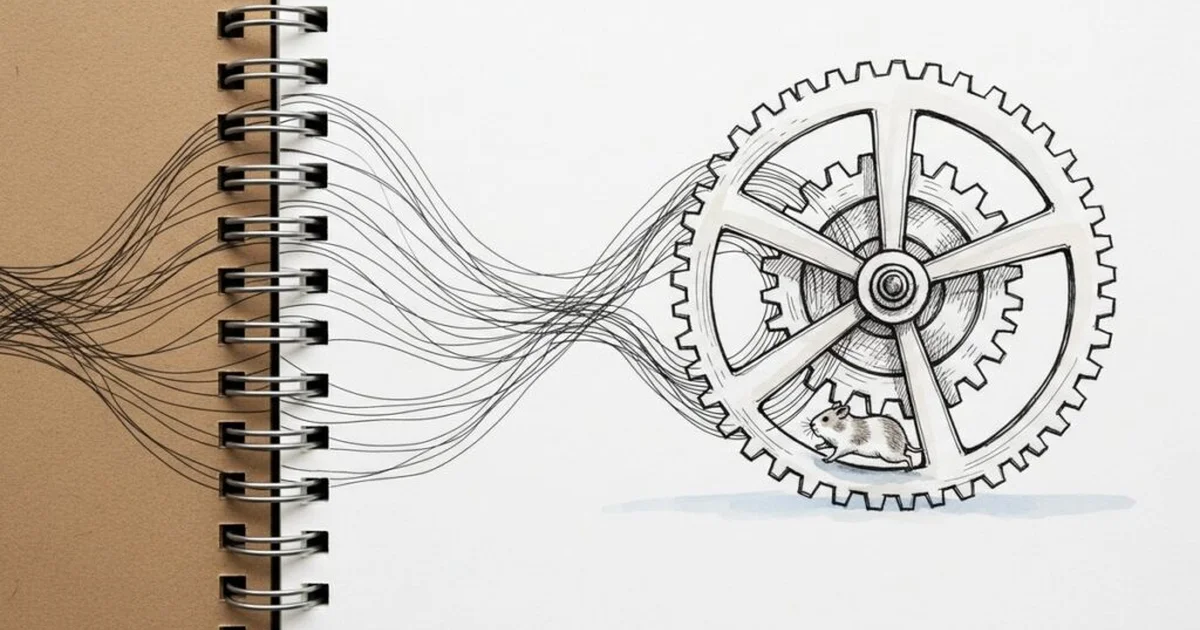
Understanding Agent Iteration Limits in AI Systems
When working with AI agents and automated systems, encountering the message “Agent stopped due to max iterations” is a common occurrence that indicates the system has reached its predefined operational limit. This safety mechanism prevents infinite loops and ensures system stability.
What Are Max Iterations?
Max iterations refer to the maximum number of processing cycles or steps an AI agent is allowed to perform before being automatically terminated. This limit serves as a crucial safeguard in automated systems, preventing runaway processes that could consume excessive computational resources or get stuck in endless loops.
These limits are typically set by system administrators or defined in the agent’s configuration parameters. The specific number can vary widely depending on the complexity of the task, available resources, and the system’s design requirements.
Common Causes of Iteration Limits
Several factors can lead an agent to reach its maximum iteration count:
- Complex problem-solving tasks that require extensive computational steps
- Recursive algorithms that don’t converge within expected parameters
- Large dataset processing that exceeds anticipated scope
- Optimization problems with multiple local minima
- Network communication delays causing retry loops
Impact on System Performance
When an agent stops due to max iterations, it doesn’t necessarily indicate failure. Instead, it represents a controlled shutdown that maintains system integrity. The agent typically saves its current state and progress, allowing for potential resumption or analysis of partial results.
This mechanism is particularly important in production environments where system reliability and resource management are critical. Without such limits, a single problematic agent could potentially impact the entire system’s performance.
Best Practices for Managing Iteration Limits
To effectively work with iteration limits, consider implementing these strategies:
- Progressive processing: Break large tasks into smaller, manageable chunks
- Checkpoint systems: Save intermediate results to enable resumption
- Dynamic limit adjustment: Modify limits based on task complexity
- Monitoring and alerting: Track iteration usage patterns
- Graceful degradation: Provide meaningful partial results when limits are reached
Troubleshooting and Resolution
When encountering max iteration limits, the first step is to analyze the agent’s behavior and determine whether the limit was reached due to legitimate complexity or an underlying issue. Review the agent’s logs and processing patterns to identify potential optimization opportunities.
Consider whether the task can be restructured, the algorithm optimized, or the iteration limit appropriately adjusted. Sometimes, the solution involves redesigning the approach rather than simply increasing the limit.
Future Considerations
As AI systems become more sophisticated, iteration management will continue to evolve. Advanced systems may implement adaptive limits that adjust based on real-time performance metrics and resource availability, providing more intelligent resource allocation while maintaining system stability.