How Google AI Overviews Are Changing Search Traffic
The New Search Reality: AI Eats First
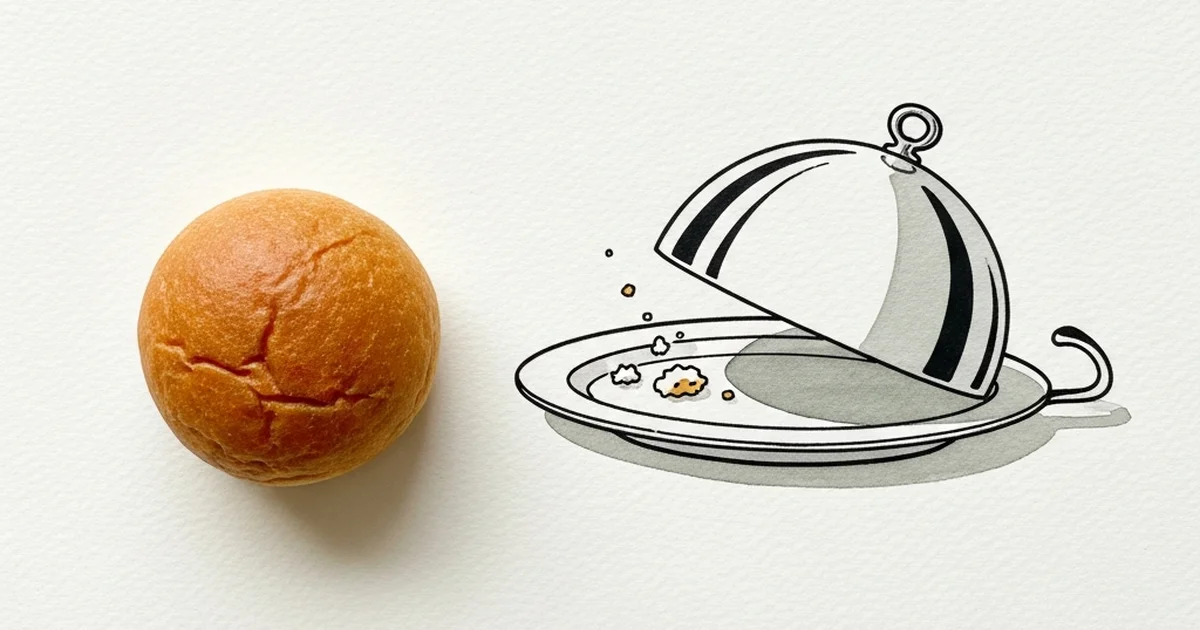
If you’ve ever hosted a dinner party and watched your guests fill up on appetizers before the main course, you know exactly how Google’s AI Overviews are treating your website traffic right now. You spend all week slow-cooking your content, seasoning your ad copy, and then—bam!—Google’s AI swoops in with a tray of algorithmic hors d’oeuvres, and suddenly nobody’s hungry for what you actually made. Welcome to the new search reality, where the main course is getting cold and the guests are leaving early.
The Numbers: Organic and Paid Clicks Plummet
Let’s talk numbers, because nothing says “party’s over” like a 61% drop in organic click-through rates and a 68% nosedive in paid clicks on queries featuring Google’s AI Overviews. And before you reach for the comfort food, here’s the kicker: even when the AI Overviews don’t show up, organic CTR is still down 41% year-over-year. It’s not just that Google’s AI is eating your lunch—it’s that users are increasingly satisfied with a snack and moving on.
What’s Actually Happening?
So, what’s actually happening here? In plain English: Google’s AI Overviews now sit at the top of many search results, serving up instant, synthesized answers to users’ questions. Instead of clicking through to your lovingly crafted blog post or that meticulously optimized landing page, users are getting what they need—right there, right then. The result? Fewer clicks for everyone else, whether you’re organic, paid, or somewhere in between.
Paid Ads Aren’t Safe Either
Now, if you’re thinking, “Well, at least my paid ads are safe,” I’ve got bad news and worse news. Paid CTRs are falling even faster than organic. The AI Overview box is pushing ads further down the page, and users are getting their answers before they even see your sponsored message. It’s like showing up to a billboard unveiling only to find someone’s parked a food truck in front of it—free samples and all.
The Changing Search Funnel
But here’s where it gets really interesting (and, let’s be honest, a little existential for us marketers): even on searches without AI Overviews, people are clicking less. Why? Because the way people search—and the places they look for answers—are changing. Some are heading straight to ChatGPT or Perplexity. Others are getting their fix on TikTok, Reddit, or wherever the next viral “how-to” is trending. The search funnel isn’t just leaky; it’s being rerouted entirely.
The End of the Old Playbook
So, what does this mean for marketers, brands, and anyone who’s ever obsessed over their position in the SERP? First, let’s pour one out for the old playbook. The era of “rank high, get clicks, win” is officially over. Visibility is no longer a guarantee of engagement. In fact, being #1 on Google might now mean you’re first in line to be summarized, paraphrased, and—if you’re lucky—cited by the AI. If you’re not lucky, you’re invisible, even if you’re technically on top.
The Plot Twist: Cited Brands See a Bump
Here’s the plot twist: brands that are cited in AI Overviews are seeing a bump—35% more organic clicks and a whopping 91% more paid clicks than those left out. But before you start rewriting your content to please the AI gods, remember: correlation isn’t causation. The brands getting cited are often the ones with strong authority and trust signals to begin with. You can’t game your way into the AI’s good graces with a few schema tweaks and a prayer.
Bigger Than Google: The Tectonic Shift
Let’s zoom out. This isn’t just a Google story—it’s a tectonic shift in how people find, trust, and act on information. The zero-click search trend isn’t new, but AI Overviews have thrown it into overdrive. The funnel is flattening. The journey is shorter. The margin for error is thinner than ever.
What Should Marketers Do Now?
Five Strategies for the New Search Landscape
- Stop worshipping at the altar of CTR. If your boardroom still treats clicks as the holy grail, it’s time for a new religion. Start tracking visibility, share of voice, and—most importantly—brand mentions inside AI answers. If you’re not in the conversation, you’re not in the consideration set.
- Double down on authority and trust. The AI isn’t just scraping the web; it’s curating it. Brands with clear expertise, strong reputations, and consistent signals across platforms are more likely to get cited. Think less about gaming the algorithm and more about becoming the source everyone else references.
- Rethink your content strategy. The days of “10 tips for X” are numbered. If your content can be summarized in a sentence, it probably will be—by Google’s AI, not by you. Go deeper. Offer unique insights, original research, or perspectives that can’t be easily paraphrased.
- Get comfortable with ambiguity. The funnel is messier, the metrics are fuzzier, and the rules are changing monthly. Adaptability isn’t a nice-to-have; it’s survival. Treat every disruption as a new level in the marketing video game. New boss fight, same mission.
- Experiment beyond Google. If your entire acquisition strategy is built on search, you’re building on sand. Diversify into channels where your brand can own the conversation—social, communities, newsletters, even good old-fashioned events.
Conclusion: The End of Marketing As We Knew It
Look, I’m not here to sell you a silver bullet. There isn’t one. But I will say this: marketing has always been about reading the room. Right now, the room is restless, distracted, and increasingly satisfied with the first answer they see. Your job isn’t just to show up—it’s to be the answer, or at least the brand that gets referenced when the answer is given.
So, as you stare at your next dashboard and watch those CTR lines trend downward, remember: this isn’t the end of marketing. It’s just the end of marketing as we knew it. The brands that win won’t be the ones who shout the loudest—they’ll be the ones who get whispered about in all the right places.
And if you’re still measuring success by clicks alone, well… you might want to check if your dinner party guests have already eaten somewhere else.