AI in Marketing: Between Automation and Authenticity
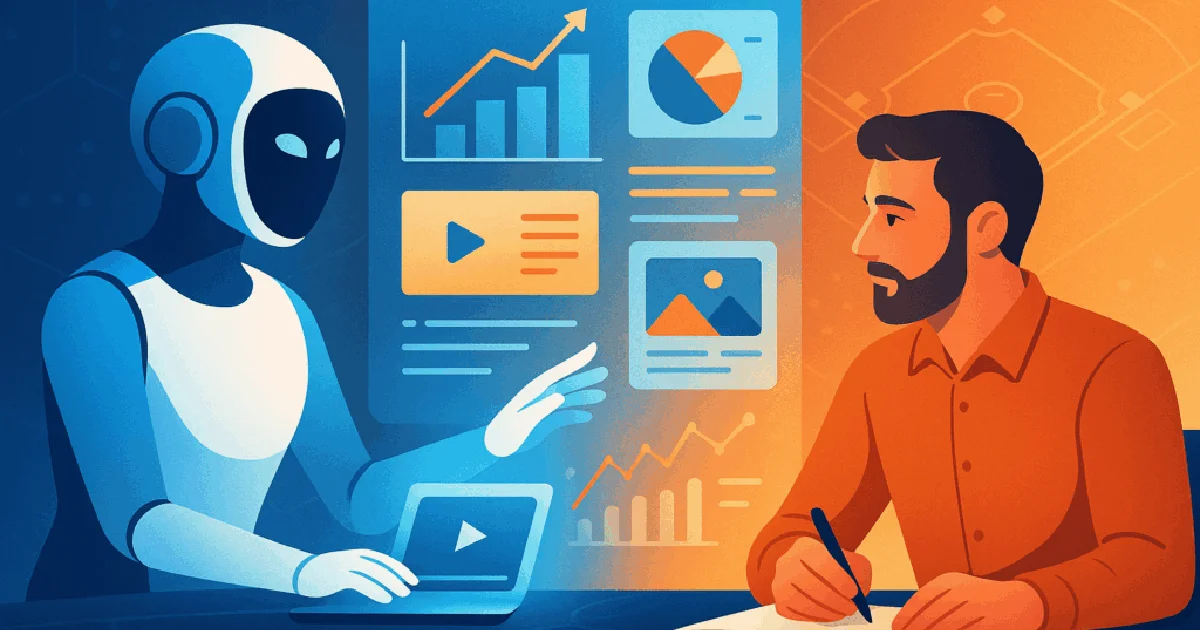
Picture this: It’s 2025, and you’re at a marketing offsite. The whiteboard is covered in flowcharts, someone’s pitching a viral TikTok idea, and the intern is quietly feeding prompts into an AI tool that’s already written three versions of your Q4 campaign. Meanwhile, your CEO is asking if you can just automate the whole funnel. Welcome to the new normal, where AI isn’t just the intern — it’s the entire creative department, analytics team, and, if you’re not careful, the ghostwriter for your next apology email.
Let’s cut through the noise: AI in marketing is no longer a shiny object. It’s the engine under the hood, the GPS on the dashboard, and, occasionally, the backseat driver who won’t stop suggesting optimization opportunities. But here’s the twist: the brands that are winning aren’t the ones who handed over the keys to the robots. They’re the ones who know when to hit cruise control — and when to take the wheel.
So, what’s actually happening out there? Let’s break it down, Jon Maxwell style.
AI: From Hype Machine to Revenue Engine
First, the facts (don’t worry, I’ll keep the stats to a minimum — this isn’t a quarterly earnings call). AI is now woven into every stage of the marketing journey: from hyper-personalized video campaigns that greet prospects by name, to predictive analytics that tell you which lead is actually going to buy (and which one just wants your free eBook). Video, in particular, has gone from nice-to-have to table stakes. If you’re not using AI to scale video content, you’re basically showing up to a Formula 1 race on a tricycle.
But here’s the kicker: AI isn’t just about doing things faster or cheaper. The real magic is in trust and revenue impact. Marketers are using AI to build deeper, more authentic connections — at scale. Think dynamic video messages that feel one-to-one, not one-to-many. Think creative that adapts in real time, not just A/B tests that take three weeks to run. And yes, the numbers are starting to back it up: higher conversion rates, shorter deal cycles, and, for the first time in a decade, sales and marketing actually agreeing on what a qualified lead looks like.
Why This Actually Matters (and Not Just Because the Board Asked)
Let’s zoom out. Why does this matter? Because the old playbook is dead. Buyers are drowning in generic outreach, and their tolerance for Dear [First Name] emails is somewhere between unsubscribe and report spam. AI gives us the power to cut through that noise — but only if we use it wisely.
Here’s the paradox: The more we automate, the more human we have to be. AI can write your subject lines, but it can’t fake empathy. It can generate a thousand video variations, but it can’t replace a genuine story. The brands that are thriving aren’t just automating workflows — they’re using AI to amplify what makes them unique. They’re building trust, not just pipelines.
And let’s talk about measurement. For years, we’ve been chasing vanity metrics like a dog after its own tail. AI is finally helping us focus on what matters: revenue impact. Not just clicks, but closed deals. Not just impressions, but influence. The best teams are using AI to connect the dots between content, engagement, and actual business outcomes. If your dashboard still looks like a slot machine, it’s time to upgrade.
Jon’s Take: The Hype, the Hope, and the Human Factor
Now, let’s get real. Is AI a silver bullet? Absolutely not. (If it were, my job would be sipping margaritas on a beach while my AI avatar ran the marketing department.) The truth is, AI is only as good as the strategy behind it. Treat it like a magic wand, and you’ll end up with a lot of mediocre content and a confused sales team. Treat it like a partner — one that needs guardrails, governance, and a healthy dose of human oversight — and you’ll unlock real value.
Here’s where most brands go wrong: They treat AI as the strategy, not the infrastructure. They automate without oversight, chase novelty over nuance, and forget that trust is earned, not engineered. The winners? They use AI for scale, but humans for story. They run structured tests, keep user-generated content in the mix, and design compliance into every workflow (because nothing kills a campaign faster than a legal fire drill).
And let’s not ignore the elephant in the room: trust. In a world of deepfakes and algorithmic everything, authenticity is your last unfair advantage. AI can help you scale your message, but it can’t fake sincerity. The brands that win in 2025 will be the ones that use AI to get closer to their customers, not just closer to their quarterly targets.
The Punchline: Marketing Is Still a People Game (AI Just Deals the Cards Faster)
So, where does this leave us? AI is here to stay, and it’s changing the game — but it’s not changing the rules. Marketing is still about trust, relevance, and connection. The tools have evolved, but the fundamentals haven’t. If you’re using AI to automate what makes you human, you’re missing the point. If you’re using it to amplify your voice, your story, and your value — congratulations, you’re playing to win.
Remember: Marketing isn’t chess, it’s poker. You play the odds, read the table, and sometimes win with a bluff. The brands that survive aren’t the ones with perfect data — they’re the ones that know when to bet on instinct.
So go ahead, let AI deal the cards. But don’t forget: the best hands are still played by humans.
Now, if you’ll excuse me, I have to go teach my AI assistant the difference between personalization and creepiness. Wish me luck.