The Shrimp Buffet Analogy: Demand Capture in 2026
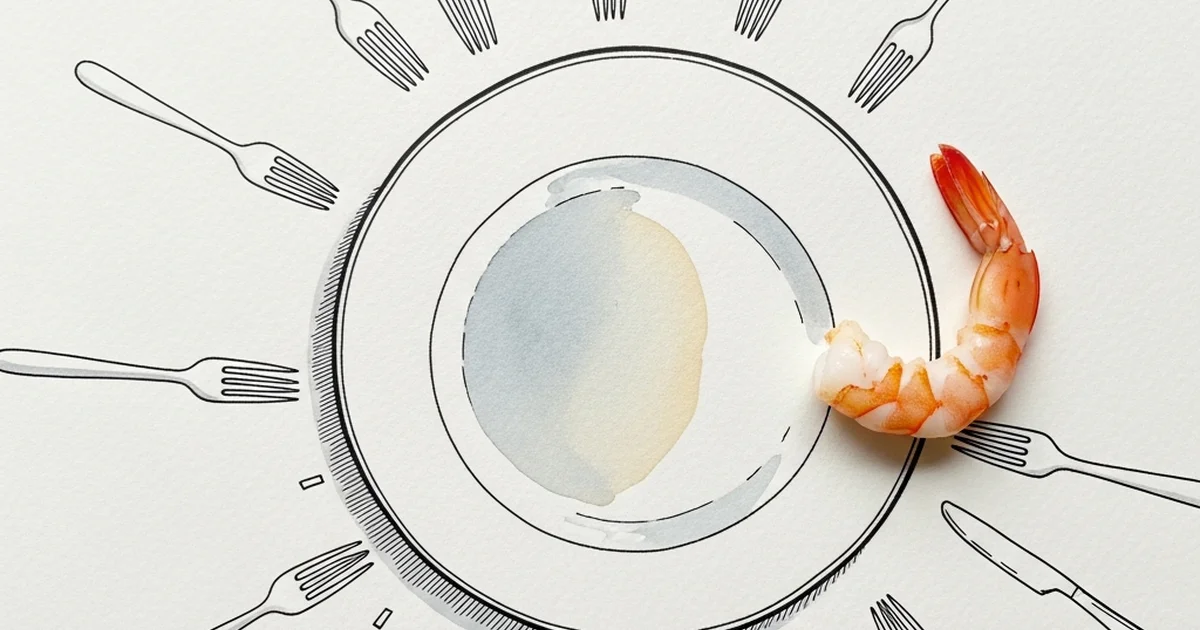
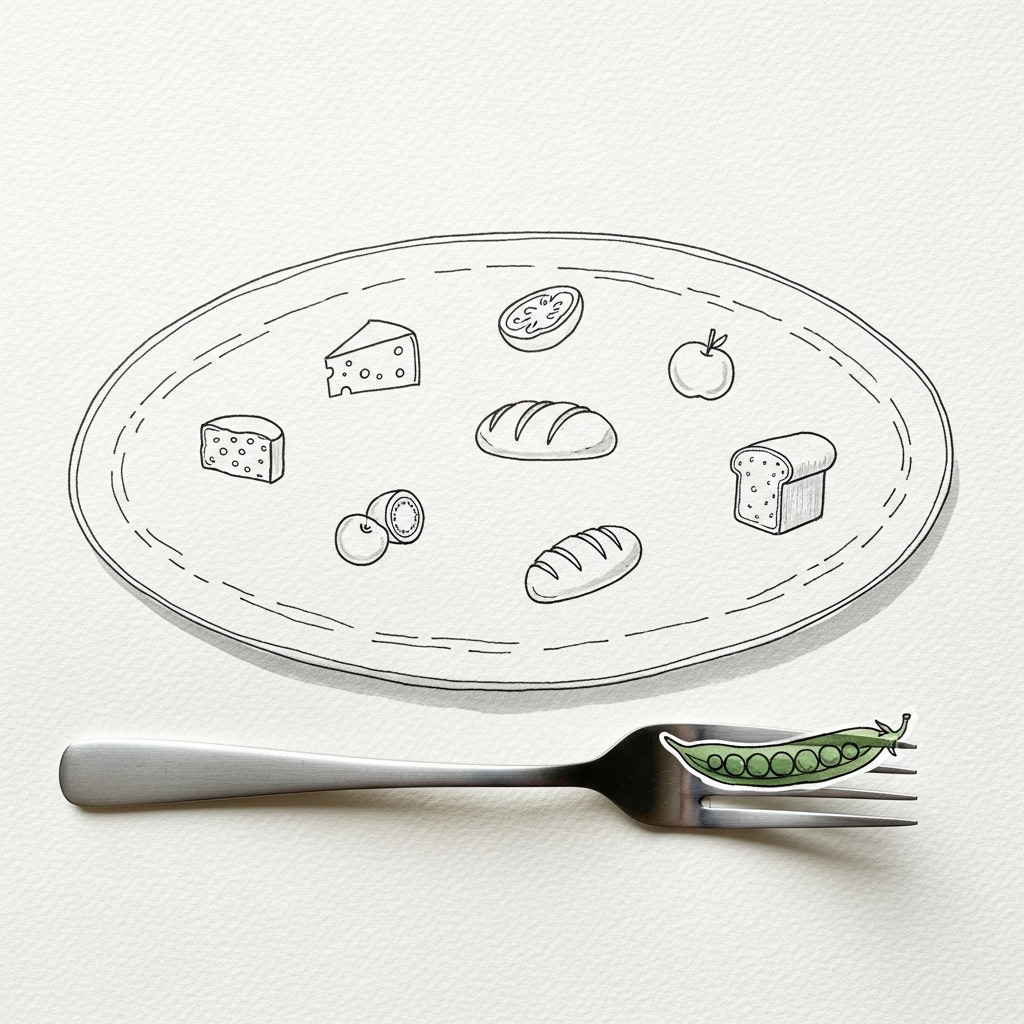
Picture this: It’s the annual SaaS industry holiday party. The buffet table is groaning under the weight of shrimp cocktail, sliders, and those mysterious “artisan” cheeses that taste suspiciously like the ones from Costco. Now, imagine every marketer in the room makes a beeline for the shrimp — not because it’s the only food, but because someone once told them shrimp equals ROI. Fast forward an hour: the shrimp is gone, the cheese is sweating, and everyone’s left poking at celery sticks, wondering why they’re still hungry.
Welcome to the state of demand capture in 2026. We’re all elbowing each other for the same plate of ready-to-buy leads, while the rest of the buffet — the 95% of the market that isn’t hungry yet — sits untouched. And here’s the kicker: the more we fight over the shrimp, the faster it disappears. Demand capture, my friends, is eating its own future.
What’s Actually Happening?
Let’s cut through the noise. Demand capture is the art (or science, if you’re feeling fancy) of swooping in when someone’s already waving their credit card. Think Google Ads for “best CRM for SaaS,” retargeting campaigns, and SEO pages optimized for “buy now.” It’s efficient, measurable, and — for a while — it feels like printing money.
Demand Capture Is Eating Its Own Future
But here’s the plot twist: only about 5% of your market is actively shopping at any given time. The other 95%? They’re scrolling TikTok, bingeing on podcasts, or arguing about whether pineapple belongs on pizza. They’re not in-market, but they will be… someday.
So what do most brands do? They double down on demand capture. More budget for paid search! More retargeting! More “book a demo” CTAs! And for a while, it works. Until it doesn’t.
Why Should You Care (a.k.a. The Part Where I Make You Uncomfortable)
Here’s the uncomfortable truth: if your entire marketing strategy is built on capturing existing demand, you’re not building a pipeline — you’re strip-mining it. You’re fighting over the same 5% of buyers as every other brand with a Google Ads account and a dream. And as more competitors pile in, the cost of that shrimp (read: cost per click, cost per lead, cost per acquisition) goes up. Meanwhile, your retargeting pools shrink, your branded search plateaus, and your pipeline starts to look like my houseplants after a two-week vacation: dry, sad, and in desperate need of attention.
It gets worse. In the age of AI-powered search and privacy crackdowns, even the “sure things” aren’t so sure anymore. Google’s AI Overviews are crowding out paid and organic results. Chatbots are answering questions before anyone even sees your landing page. If you’re not the brand people ask for by name, you’re invisible. And you can’t capture demand that doesn’t exist.
The Real Lesson: You Can’t Convert What You Didn’t Create
Let’s put it in plain English: demand capture is great for harvesting, but if you’re not planting seeds, you’ll run out of crops. The brands that win aren’t the ones with the best retargeting pixel — they’re the ones who show up before the buyer even knows they have a problem.
Demand generation — the unsexy, long-game cousin of demand capture — is about creating desire where none existed. It’s educational content, thought leadership, brand storytelling, and yes, even the occasional meme that makes your audience think, “Huh, maybe I do need a new project management tool.” It’s the stuff that builds mental availability, so when the 95% finally get hungry, your brand is the first thing they crave.
But here’s the rub: demand gen takes time. It’s harder to measure. The ROI doesn’t show up in this quarter’s dashboard. Which is why so many marketers skip it, preferring the instant gratification of demand capture. It’s like eating only dessert because you don’t want to wait for the main course.
Jon’s Take: Stop Paying Tolls to Buy Back Your Own Customers
Look, I get it. I love a good dashboard as much as the next CMO. There’s a certain thrill in watching those conversion rates tick up after a new paid campaign. But if you’re spending 90% of your budget on demand capture, you’re not building a brand — you’re just buying back traffic from people who already know you. It’s like paying a toll to drive on a road you built yourself.
The smart money in 2026 is shifting. The best brands are rebalancing their mix — investing in channels that create demand (think CTV, podcasts, social storytelling) and not just those that capture it. They’re measuring incrementality, not just last-click attribution. They’re building brand equity, not just chasing attribution models that make the CFO happy for a quarter and miserable for a year.
- Start reallocating a slice of your budget — even 5-10% — to true demand gen.
- Run creative that educates, entertains, and builds trust.
- Track branded search growth, not just lead forms.
- And for the love of all that is holy, stop fighting over the last shrimp.
The Punchline (Because Every Good Story Needs One)
Marketing isn’t a game of Hungry Hungry Hippos. You can’t win by gobbling up every marble in sight and hoping the supply never runs out. The brands that thrive are the ones who feed the market, not just feed off it.
Demand Capture Is Eating Its Own Future
So next time you’re tempted to double down on demand capture, ask yourself: are you building a future, or just eating your own? Because in the end, the only thing worse than running out of shrimp is realizing you never learned how to cook.
Now, if you’ll excuse me, I’ve got a celery stick to poke at — and a brand story to tell.