Meta UK Subscription Explained: Skip Ads for a Price
Picture this: You’re at a British pub quiz, pint in hand, and the host announces a new rule. You can keep playing for free, but every few questions, you’ll be interrupted by a guy in a sandwich board trying to sell you car insurance. Or, for the price of a fancy flat white, you can play in peace—no interruptions, no sales pitches, just pure trivia glory. That, my friends, is essentially what Meta just dropped on the UK.
Let’s break it down, minus the sandwich boards.
Meta’s Big Move, in Plain English
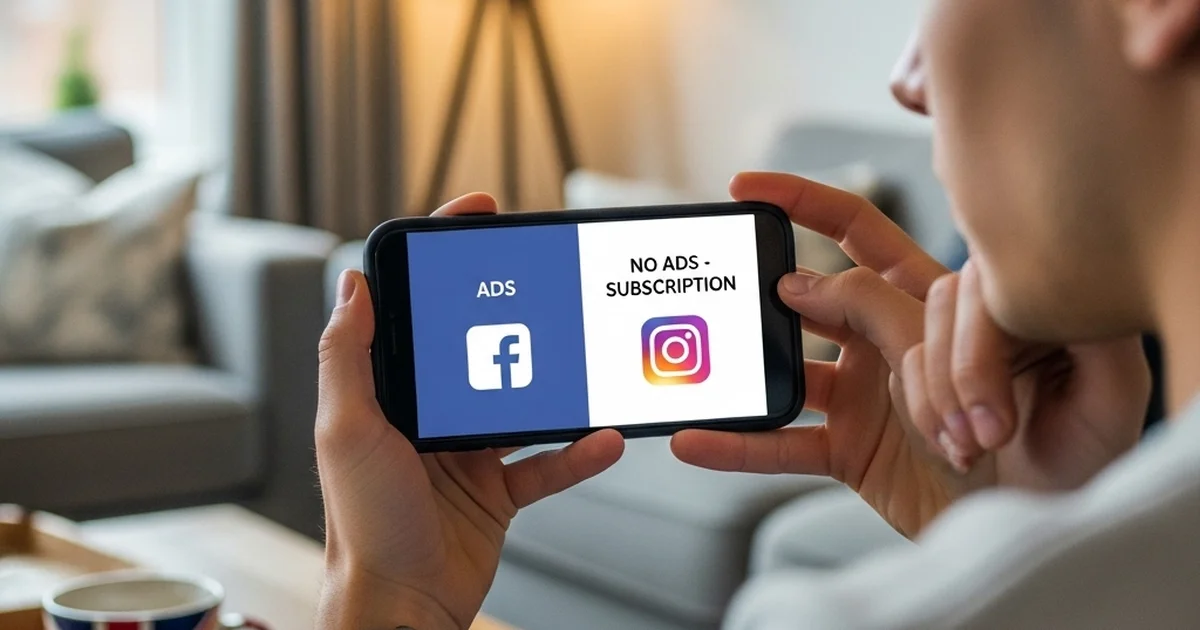
Starting in the coming weeks, UK users of Facebook and Instagram will get a new choice: keep scrolling for free and see ads, or pay a monthly fee—£2.99 on the web, £3.99 on iOS/Android—to make the ads vanish. Want to add more Meta accounts? That’ll be an extra couple of quid per account. It’s a consent or pay model, straight out of the digital playbook that’s been making the rounds in Europe, but with a distinctly British price tag (read: cheaper than the EU, because apparently, even privacy comes with a Brexit discount).
Why now? The UK’s Information Commissioner’s Office (ICO) has been nudging Meta to give users a real choice about how their data is used for advertising. Meta’s answer: pay up, or keep seeing ads tailored to your every like, scroll, and late-night meme binge. If you don’t subscribe, nothing changes—your data still fuels the ad machine, but you can tinker with your ad preferences and pretend you’re in control.
Why This Isn’t Just Another “Feature”
Now, before you roll your eyes and mutter, “Great, another subscription,” let’s zoom out. This isn’t just about skipping ads. It’s about the tectonic plates shifting under the digital economy. For years, the deal was simple: you get free stuff, we get your data, and advertisers get your attention. But regulators—especially in Europe and now the UK—are asking, “Is that really a fair trade?” Meta’s answer is to slap a price tag on privacy, and let the market decide.
For marketers, this is more than a footnote. It’s a signal flare. The ad-supported internet isn’t dead, but it’s definitely being asked to show its ID at the door. The “free” model is under scrutiny, and the idea that you can just hoover up user data and spray personalized ads is looking less like a birthright and more like a privilege—one that comes with strings, fees, and a lot more legal fine print.
The Strategic Playbook: What Marketers Need to Know
Let’s get real: most people won’t pay. If you’re a marketer, you can breathe easy—your audience isn’t about to vanish behind a paywall. But the mere existence of this option changes the game. Here’s how:
- Segmentation Gets Real: You now have two tribes—those who value privacy enough to pay, and those who’ll trade data for free access. That’s a psychographic split you can’t ignore. The “ad-free” crowd might be smaller, but they’re sending a loud signal about what they value. Ignore them at your peril.
- Ad Targeting Gets Trickier: As more users opt out (even if it’s a trickle, not a flood), your data pool shrinks. That means less precision, more guesswork, and a renewed focus on creative that actually resonates, not just stalks.
- Brand Building vs. Performance: If you’ve been leaning on hyper-targeted ads to do all the heavy lifting, it’s time to dust off those brand-building muscles. When data gets scarce, storytelling matters more. Remember: data tells you the what, but brand tells you the why.
- The Value of Attention: If people are willing to pay to avoid your ads, maybe—just maybe—it’s time to rethink what you’re putting in front of them. The best ads don’t feel like interruptions; they feel like invitations. If your creative is so skippable that people will pay to dodge it, that’s not a media problem—it’s a marketing one.
- Regulatory Whiplash: The UK is taking a “pro-growth, pro-innovation” stance (Meta’s words, not mine), while the EU is playing privacy hardball. If you’re running pan-European campaigns, get ready for a patchwork of rules, prices, and user expectations. Flexibility isn’t just nice to have—it’s survival.
Jon’s Take: The Real Lesson Behind the Headlines
Here’s the thing: Marketing is like dating. You can’t just show up, demand attention, and expect love in return. You have to earn it—sometimes with a killer story, sometimes with a well-timed meme, and sometimes by respecting boundaries. Meta’s subscription move is a reminder that the old “free-for-all” is over. Users want choice. Regulators want transparency. And brands? Well, we need to get a lot smarter about how we earn attention—and keep it.
Will this kill the ad-supported model? Not a chance. Most people will keep scrolling for free, ads and all. But the days of treating user data like an all-you-can-eat buffet are numbered. The future belongs to marketers who can blend data with empathy, automation with imagination, and performance with purpose.

Final Thought
If marketing was a video game, this is the moment when the map expands and you realize there are new bosses to fight. Some will keep grinding for coins (ads), others will pay for the premium skin (no ads). The winners? They’re the ones who know how to play both sides—delivering value whether you’re in the free lane or the fast lane.
So, next time you’re building a campaign, ask yourself: Would someone pay to skip this? If the answer is yes, it’s time to level up your game. Because in the end, the only ad people truly love is the one they’d never pay to avoid.