Growth Marketing Demystified: Data, Experimentation, and Customer Obsession
If I had a dollar for every time someone asked me, “Jon, what exactly is growth marketing?” I’d have enough to buy a round of oat milk lattes for the entire Salesforce Tower. And if I had a dollar for every time someone explained it to me using a Venn diagram, I’d have enough left over for a therapy session to recover from the trauma of bad PowerPoint.
So let’s skip the Venn diagrams and the jargon. Growth marketing isn’t just marketing that does more push-ups. It’s not a new flavor of the month, or a secret society where you get a decoder ring and a Slack invite. It’s a fundamental shift in how we think about building brands, driving revenue, and—let’s be honest—keeping our jobs in a world where yesterday’s best practice is today’s punchline.
Growth Marketing, Demystified (No Buzzwords, Promise)
Here’s the simplest way I can put it: Growth marketing is what happens when you take traditional marketing, feed it a steady diet of data, experimentation, and customer obsession, and then set it loose on the entire customer journey—not just the top of the funnel.
What is growth marketing?
Old-school marketing was about getting attention. Growth marketing is about earning loyalty. It’s not just “How do we get people in the door?” but “How do we keep them coming back, telling their friends, and maybe even tattooing our logo somewhere questionable?”
Growth marketers are part scientist, part storyteller, and part therapist. They run A/B tests like mad scientists, obsess over retention rates like helicopter parents, and treat every customer touchpoint as a chance to learn, iterate, and improve. They don’t just launch campaigns—they launch hypotheses. And when something flops (which it will), they don’t hide the data—they double down on learning.
The Playbook: Data, Experimentation, and the Full Funnel
Let’s get specific. Growth marketing means:
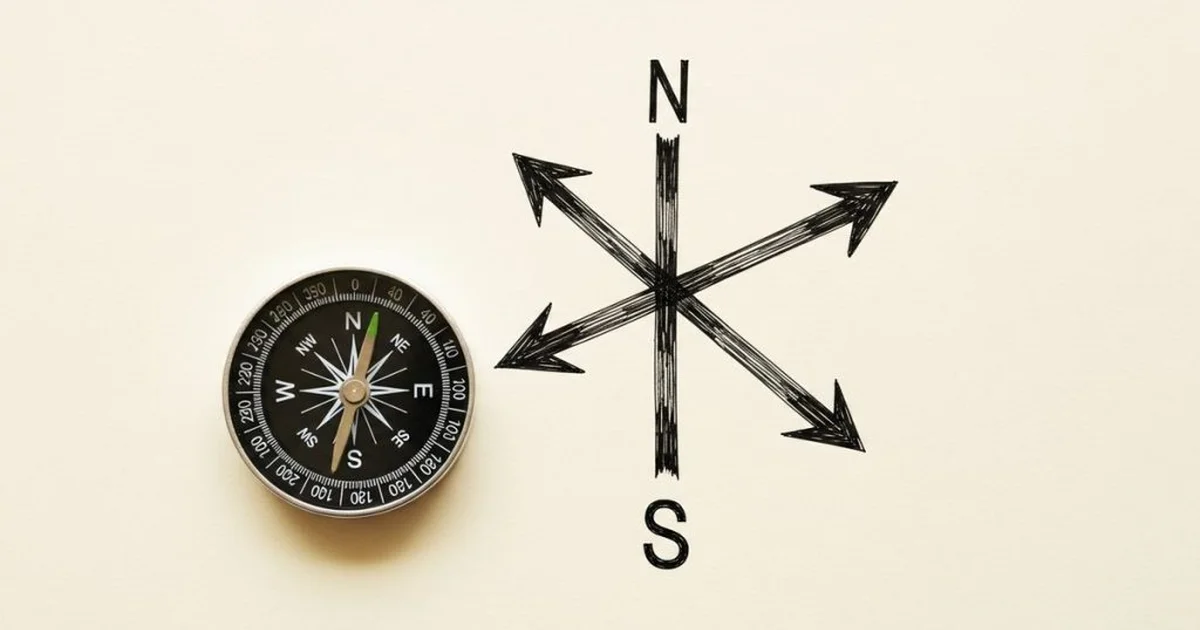
- Data is your compass. You’re not guessing what works—you’re measuring it, slicing it, and, yes, sometimes crying over it.
- Experimentation is your religion. A/B tests, multivariate tests, “let’s-try-this-and-see-if-anyone-yells” tests. If you’re not experimenting, you’re not growing.
- The full funnel is your playground. Acquisition, activation, retention, referral, revenue (the AARRR framework, for the pirates in the room). Growth marketers don’t stop at the sale—they obsess over what happens after.
- Customer-centricity is your mantra. You’re not just selling to people; you’re building relationships, communities, and—if you’re really good—movements.
Why This Actually Matters (And Isn’t Just Another Marketing Fad)
Now, you might be thinking, “Jon, isn’t this just… good marketing?” And you’d be half right. The difference is that growth marketing is built for the world we actually live in: one where attention spans are shorter than a TikTok trend, budgets are tighter than ever, and the only constant is change.
Traditional marketing was built for a world where you could buy attention and coast on brand equity. Growth marketing is built for a world where your customer can ghost you with a single swipe, and your biggest competitor might be a startup that didn’t exist last week.
Here’s why it matters:
- Speed wins. Growth marketing is about rapid iteration. You don’t wait six months to see if a campaign worked—you know by lunch.
- Retention is the new acquisition. It costs less to keep a customer than to find a new one. Growth marketing treats every customer like a potential evangelist (or, if you mess up, a potential Twitter thread).
- Cross-functional is the new silo. Growth marketers work with product, sales, support, and sometimes even legal (usually after a “creative” campaign idea). The best ideas come from the edges, not the org chart.
- It’s measurable. Vanity metrics are out. Growth marketers care about metrics that move the business: LTV, CAC, churn, NPS, and, yes, actual revenue.
Jon’s Take: The Hype, the Hope, and the Hard Truth
Look, I’ve been around long enough to see marketing trends come and go. Remember QR codes in 2012? Neither does anyone else. But growth marketing isn’t a trend—it’s a response to reality.
The hype? That growth marketing is a magic bullet. It’s not. You can’t “hack” your way to sustainable growth with a clever headline and a Zapier integration.
The hope? That by embracing experimentation, data, and customer obsession, you can build brands that actually matter to people. Not just brands that shout the loudest, but brands that listen, adapt, and deliver.
The hard truth? Growth marketing is hard. It’s messy. It means admitting when you’re wrong, killing your darlings, and sometimes explaining to the CFO why you spent $10,000 on a campaign that tanked—but learned something priceless in the process.
But here’s the kicker: The brands that win in 2026 and beyond won’t be the ones with the biggest budgets. They’ll be the ones with the fastest feedback loops, the deepest customer empathy, and the guts to try, fail, and try again.
The Last Word (And a Challenge)
So, what is growth marketing? It’s marketing for the real world. It’s the difference between playing checkers and playing chess—except the board changes every week, and sometimes the pieces catch fire.
If you’re a marketer, founder, or just someone who wants to build something that lasts, here’s my challenge: Stop asking for the playbook. Start writing your own. Test, learn, iterate, repeat. And remember—marketing isn’t about being perfect. It’s about getting better, faster, and never losing sight of the people you’re here to serve.

What is growth marketing?
Because in the end, growth isn’t just a metric. It’s a mindset. And if you’re not growing, you’re just waiting for someone else to eat your lunch.
Now, if you’ll excuse me, I’ve got a dashboard to check and a hypothesis to test. See you in the data.