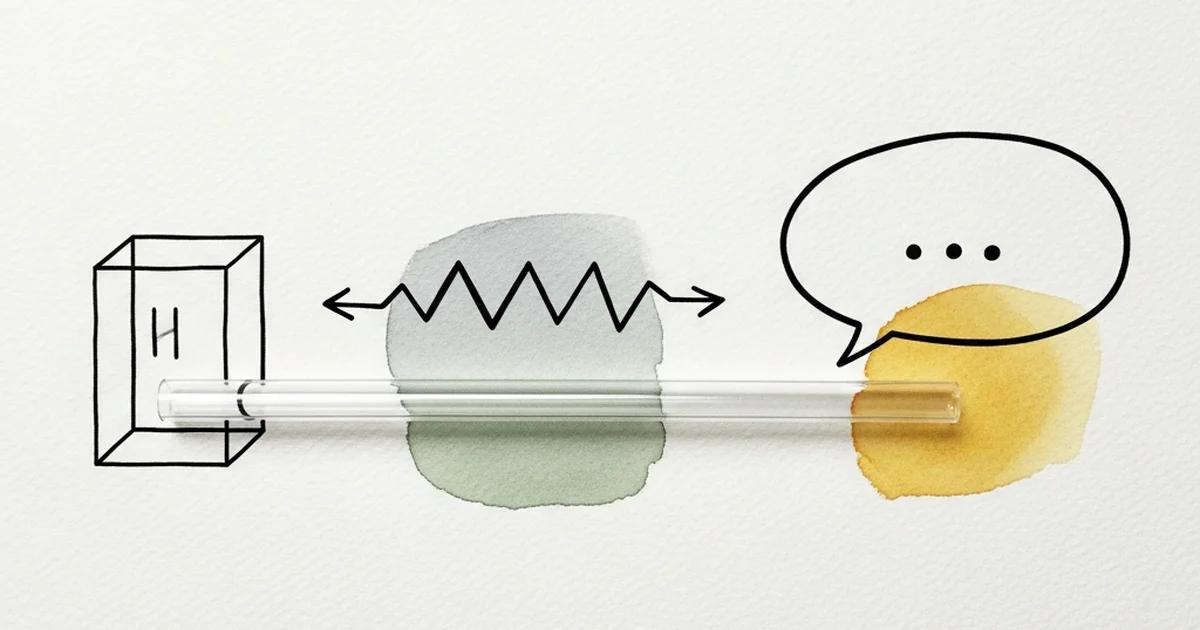
The Future of Advertising in ChatGPT: Why Behavior Beats Targeting
Rethinking Targeting in the Age of Conversational AI
If you want to understand the future of advertising in ChatGPT, forget everything you know about targeting. Seriously—put it in a box, label it “2010s,” and slide it under your standing desk next to that unopened box of branded stress balls from last year’s SaaS summit. Because in the world of conversational AI, it’s not about who you are. It’s about what you do.
Traditional Targeting: Awkward and Outdated
Let’s set the scene. Imagine you’re at a dinner party—one of those San Francisco affairs where the kombucha flows and someone inevitably brings up blockchain. You’re deep in conversation, swapping stories, when suddenly someone leans in and says, “Hey, based on your LinkedIn profile and the fact that you once liked a post about ergonomic chairs, can I interest you in a lumbar support pillow?” You’d probably choke on your artisanal olive tapenade. That’s what traditional ad targeting feels like in a conversational interface: awkward, intrusive, and just a little bit desperate.
ChatGPT’s New Approach: Reading the Room
Now, enter ChatGPT. The news is out: ads are coming, and the infrastructure is quietly humming beneath the surface. But here’s the twist—this isn’t your grandma’s banner ad, nor is it the digital equivalent of a cold call. In this new world, the AI isn’t just matching keywords or demographics. It’s reading the room. It’s watching how you interact, what you ask, how you follow up, and—crucially—what you do next. In other words, behavior is the new black.
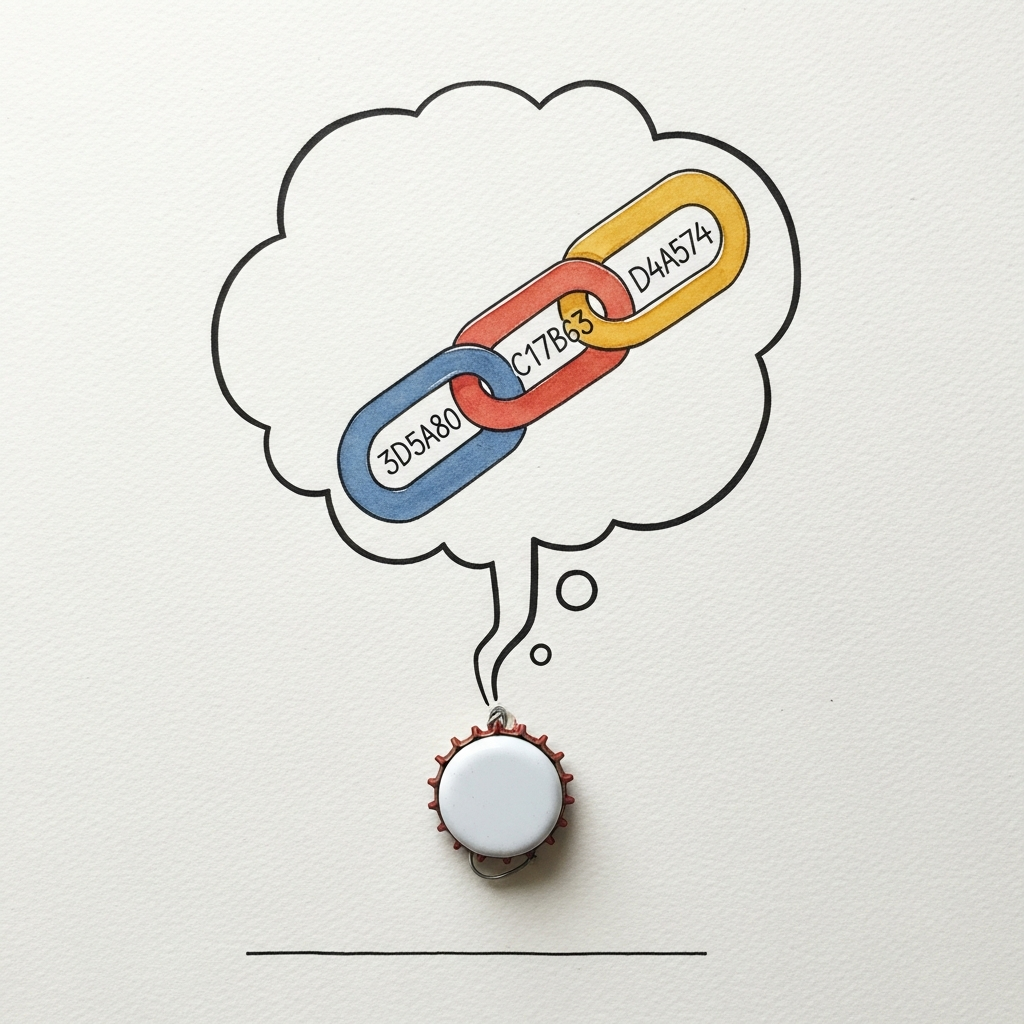
For ChatGPT ads, behavior matters more than targeting
From Snapshots to Stories: The Shift in Advertising
Let’s break it down. Traditional targeting is all about the static snapshot: age, gender, location, interests. It’s the marketing equivalent of speed dating—make a snap judgment, deliver your pitch, hope for the best. But ChatGPT doesn’t live in snapshots. It lives in stories. Every conversation is a journey, and the AI is your co-pilot, not your stalker. The real gold isn’t in who you are, but in how you behave: the questions you ask, the rabbit holes you chase, the way you pivot from “best CRM for startups” to “how do I actually get my sales team to use it?”
The Power of Behavioral Context
This shift isn’t just a technical tweak—it’s a tectonic plate moving under the feet of every marketer. Why? Because behavior is dynamic. It’s contextual. It’s honest. You can fake your interests on a social profile, but you can’t fake the urgency in your questions when you’re troubleshooting a real problem at 11:47 p.m. on a Tuesday. ChatGPT sees that. It knows when you’re window shopping and when you’re ready to buy. And that, my friends, is the holy grail of intent.
What This Means for Marketers
- The Old Playbook Is Obsolete: Forget micro-targeting based on stale data. The winners in this new landscape will be the brands that understand the flow of conversation, not just the profile of the user. It’s about being relevant in the moment, not just present in the feed.
- Trust Is Everything: In a conversational interface, the line between “recommendation” and “ad” is razor-thin. If users feel like the AI is shilling for the highest bidder, the whole house of cards collapses. The best ads will feel like helpful nudges, not hard sells. Think of it as the difference between a bartender suggesting a new cocktail because he knows your taste, versus a guy in a branded polo shirt handing out coupons at the door.
Real-Time Data: The New Gold Standard
And here’s where it gets really interesting: the data that matters isn’t what you collect before the conversation—it’s what you learn during it. Marketers will need to get comfortable with ambiguity, with nuance, with the idea that the best signal is often a question, not a checkbox. The new KPIs aren’t just impressions or clicks—they’re engagement depth, conversational pivots, and, yes, actual outcomes. Did the user get what they needed? Did they come back for more? Did they trust the answer enough to act?
Marketing as Matchmaking, Not Speed Dating
Now, I know what you’re thinking: “Jon, this all sounds great, but what about scale? What about efficiency? What about my quarterly dashboard?” Here’s the thing—behavioral advertising in AI isn’t about blasting the most people with the same message. It’s about being the right answer at the right time for the right person. It’s marketing as matchmaking, not speed dating. And yes, it’s harder to measure. But it’s also a lot harder to fake.
Embracing the Messiness of Real Conversation
Let’s not kid ourselves—there will be growing pains. Some brands will try to game the system, stuffing their content with conversational cues like a turkey before Thanksgiving. Others will cling to old-school targeting, hoping that if they just tweak the algorithm enough, they’ll find the magic bullet. But the brands that win will be the ones that embrace the messiness of real conversation, that listen more than they shout, that show up as partners, not pitchmen.
Back to Basics: Earning Trust One Interaction at a Time
Here’s my take, as someone who’s spent more hours in marketing war rooms than I care to admit: this is the best thing to happen to advertising in a decade. Why? Because it forces us to get back to basics. To stop obsessing over the latest targeting hack and start focusing on what actually matters—understanding our customers, solving their problems, and earning their trust one interaction at a time.

For ChatGPT ads, behavior matters more than targeting
Conclusion: Behavior Is the Whole Symphony
So, as ChatGPT ads roll out and the industry collectively holds its breath, remember this: in the age of AI, behavior isn’t just a signal—it’s the whole symphony. The brands that learn to listen, adapt, and respond in real time will be the ones that not only survive, but thrive.
And if you’re still clinging to your old targeting lists, I’ve got a gently used fax machine I can sell you. No targeting required—just behavior.