Growth Marketing Funnel: The Manual You Can’t Ignore in 2025
If you’ve ever tried to assemble IKEA furniture without the manual, you know the feeling: a pile of promising parts, a vague sense of optimism, and—three hours later—a lopsided bookshelf that’s somehow both upside-down and inside-out. Welcome to the world of growth marketing without a funnel. You can have all the shiny tools, the best intentions, and a hex key (or three), but if you don’t know what goes where, you’re just making expensive modern art.
The Growth Marketing Funnel: Your Brand’s GPS
Let’s talk about the growth marketing funnel—the manual most brands skim, ignore, or use as a coaster for their third coffee. In 2025, the funnel isn’t just a relic from your Marketing 101 textbook. It’s the backbone of sustainable, scalable growth. And if you think you’re too sophisticated for funnels, congratulations: you’re exactly the marketer who needs this article.
So, what’s the fuss about?
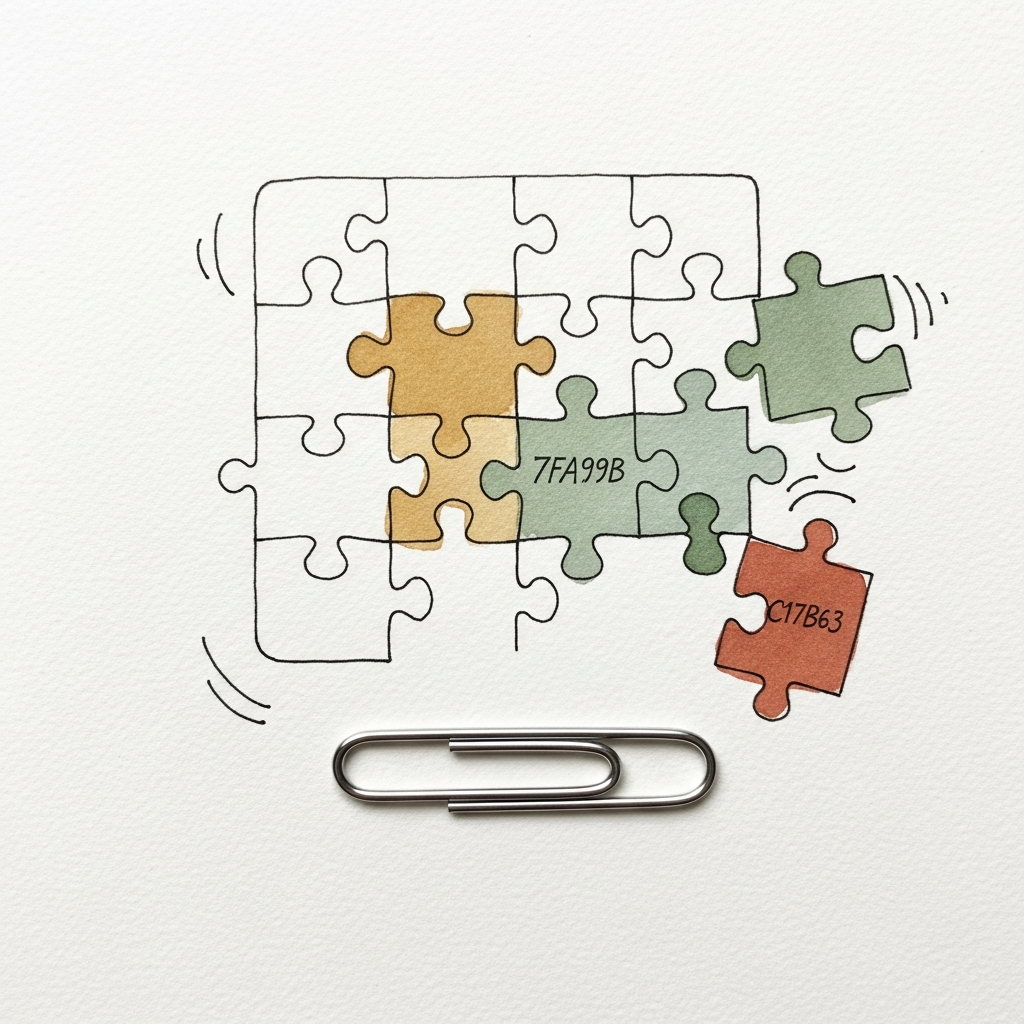
The key stages of the growth marketing funnel: Benefits and tactics
The growth marketing funnel is the customer journey’s GPS. It maps how strangers become leads, leads become customers, and—if you’re really playing the long game—customers become your unpaid hype squad. The classic funnel stages have evolved, but the core idea remains: guide people from “Who are you?” to “Take my money!” and, ideally, “Let me tell my friends why you’re awesome.”
Modern Growth Funnel Stages
- Awareness: The “Hey, I exist!” stage. Your brand is a blip on the radar, a whisper in the algorithmic wind. Tactics? Think scroll-stopping social ads, viral content, influencer shoutouts, and SEO that doesn’t read like it was written by a caffeinated robot.
- Acquisition: Now you’ve got their attention—don’t blow it. This is where you turn curiosity into actual interest. Landing pages, lead magnets, webinars, and email signups are your bread and butter. The goal? Get them to raise their hand and say, “Tell me more.”
- Activation: The first “aha!” moment. Maybe it’s a free trial, a demo, or a personalized onboarding sequence. This is where you prove you’re not just another pretty logo. If your product doesn’t deliver a quick win here, you’re just another tab to be closed.
- Retention: The honeymoon’s over—now comes the real relationship work. Email nurturing, loyalty programs, and customer support that doesn’t make people want to throw their laptop out the window. If you’re not keeping customers engaged, you’re just renting attention.
- Revenue: Time to make it rain. Upsells, cross-sells, premium features—this is where you turn happy users into profitable ones. But beware: if you skip straight to this stage, you’re the marketing equivalent of proposing on the first date.
- Referral: The holy grail. When your customers start doing your marketing for you, you know you’ve made it. Referral programs, shareable content, and community-building are your secret weapons here.
Why the Funnel Still Matters in 2025
Because the funnel is no longer a straight line—it’s a choose-your-own-adventure novel written by a committee of algorithms, privacy regulations, and TikTok trends. Customers jump stages, loop back, and sometimes skip the funnel entirely because their friend sent them a meme about your brand. The funnel isn’t dead; it’s just gotten a lot more… squiggly.
But here’s the kicker: brands that ignore the funnel end up with leaky buckets. They pour money into ads, get a spike in traffic, and then wonder why their retention rate looks like a ski slope. Meanwhile, the brands that obsess over every stage—who treat onboarding emails with the same love as Super Bowl ads—are the ones quietly eating your lunch.
Getting Tactical: Funnel Strategies Without the Jargon
- Awareness: Run targeted social ads, partner with micro-influencers, and create content that actually solves problems (not just “thought leadership” for the sake of it).
- Acquisition: Use landing pages with one clear CTA. Offer value upfront—think free tools, checklists, or webinars that don’t feel like a hostage situation.
- Activation: Make onboarding frictionless. Personalize the experience. If your product has a “magic moment,” get users there in three clicks or less.
- Retention: Segment your audience and send relevant, timely messages. Celebrate milestones. Fix issues before they become complaints.
- Revenue: Don’t be afraid to ask for the sale—but do it when the timing’s right. Use data to identify upsell opportunities, not just gut instinct.
- Referral: Make it easy (and rewarding) for customers to share. User-generated content, referral bonuses, and community shoutouts go a long way.
Expert Perspective: Funnels Are About Experience, Not Checklists
Here’s my take, as someone who’s seen more funnels than a state fair:
The funnel isn’t about herding sheep through a series of gates. It’s about understanding the psychology of your audience at every stage—and meeting them there with the right message, at the right time, on the right channel. It’s not rocket science, but it is behavioral science.
Too many marketers treat the funnel like a checklist: “Did we do a webinar? Check. Sent a nurture email? Check.” But the real magic happens when you obsess over the experience at each stage. When you treat onboarding like a first date, not a paperwork session. When you see retention as a relationship, not a metric. When you realize that referrals aren’t just about discounts—they’re about delight.
And let’s be honest: in a world where AI can write your copy, automate your ads, and even predict your next campaign, the only real differentiator is how well you understand—and serve—your customer at every step.
The Punchline: Every Stage Matters
So, what’s the punchline?
Marketing isn’t a funnel. It’s a series of first impressions, each one a chance to win—or lose—a customer for life. The brands that win in 2026 won’t be the ones with the biggest budgets or the fanciest tech. They’ll be the ones who treat every stage of the funnel like it matters—because it does.
The key stages of the growth marketing funnel: Benefits and tactics
Remember: you can’t growth-hack your way out of a leaky funnel. But you can build a brand people want to come back to, talk about, and—if you’re lucky—love enough to forgive the occasional IKEA bookshelf disaster.
Now, go tighten those bolts. Your funnel (and your future customers) will thank you.