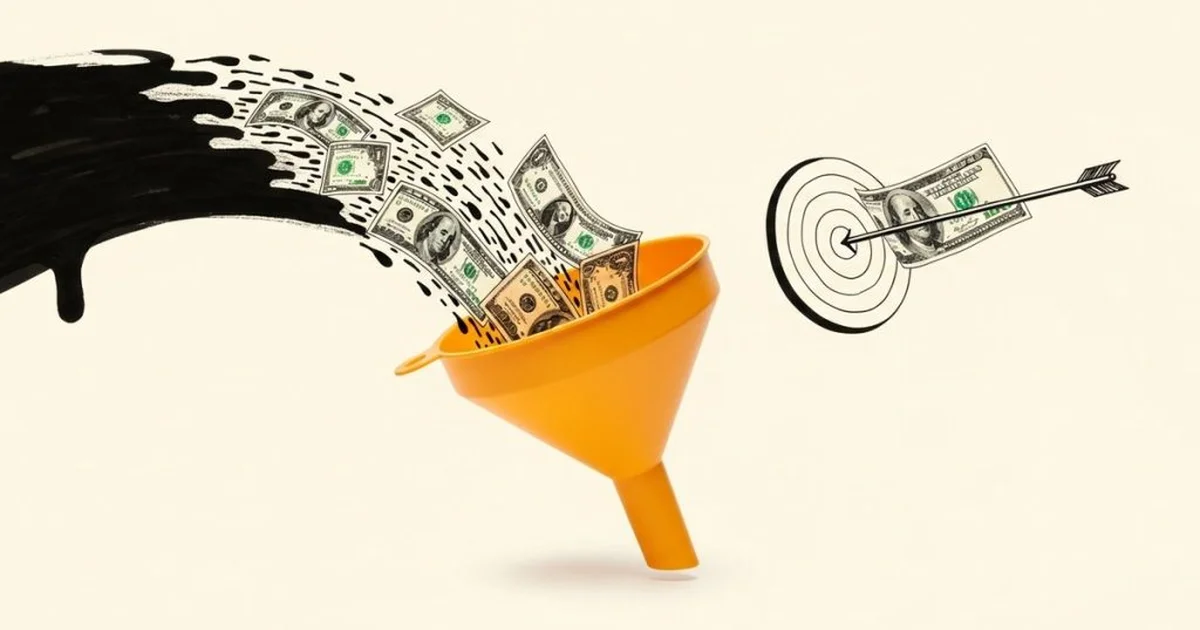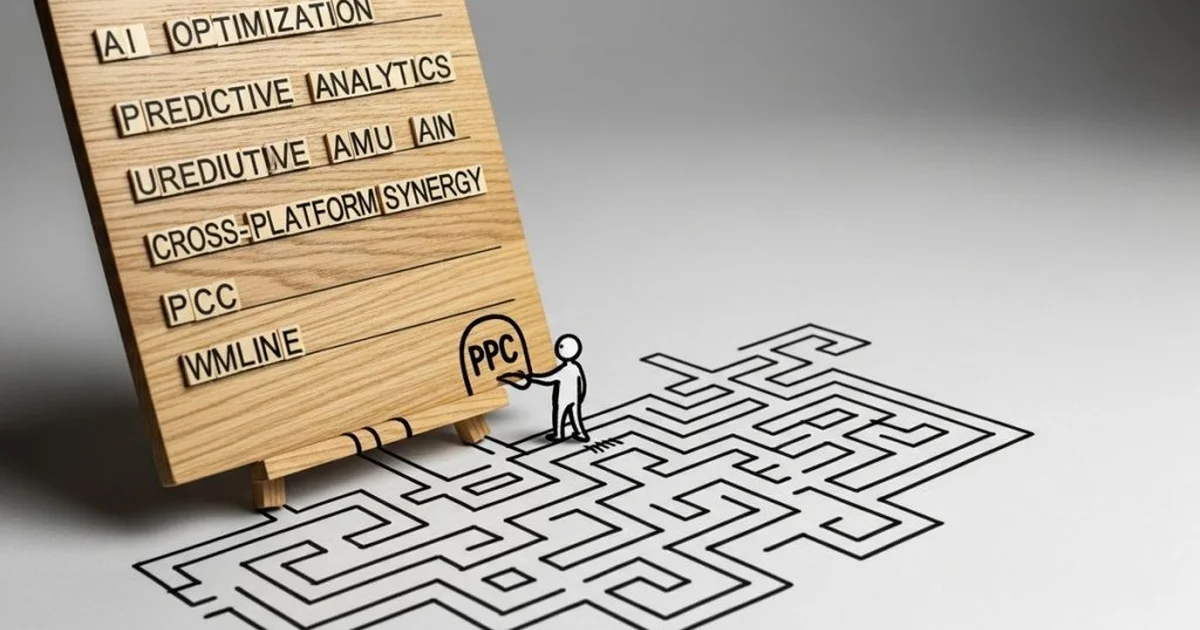
PPC Myths and Modern Marketing Strategies for 2026
If you’ve ever tried to explain PPC to your in-laws over Thanksgiving dinner, you know it’s a bit like describing cryptocurrency to your dog. There’s a lot of nodding, some polite confusion, and eventually someone asks if you can help them get more followers on Facebook. But here’s the thing: even among the pros, PPC is still haunted by myths that refuse to die—like a bad jingle from a 2008 car commercial. And as we roll into 2026, clinging to these myths is the marketing equivalent of showing up to a Formula 1 race in a horse-drawn carriage. Charming, maybe. Competitive? Not so much.
So, let’s put three of the biggest PPC myths on the table, give them the send-off they deserve, and make sure you’re not the marketer still budgeting for banner ads like it’s 2012.
Myth #1: Automation Means You Can Set It and Forget It
Ah, automation—the siren song of every overworked marketer. The promise: plug in your budget, toss in a few keywords, and let the algorithm do its magic while you sip cold brew and work on your TED Talk. If only.
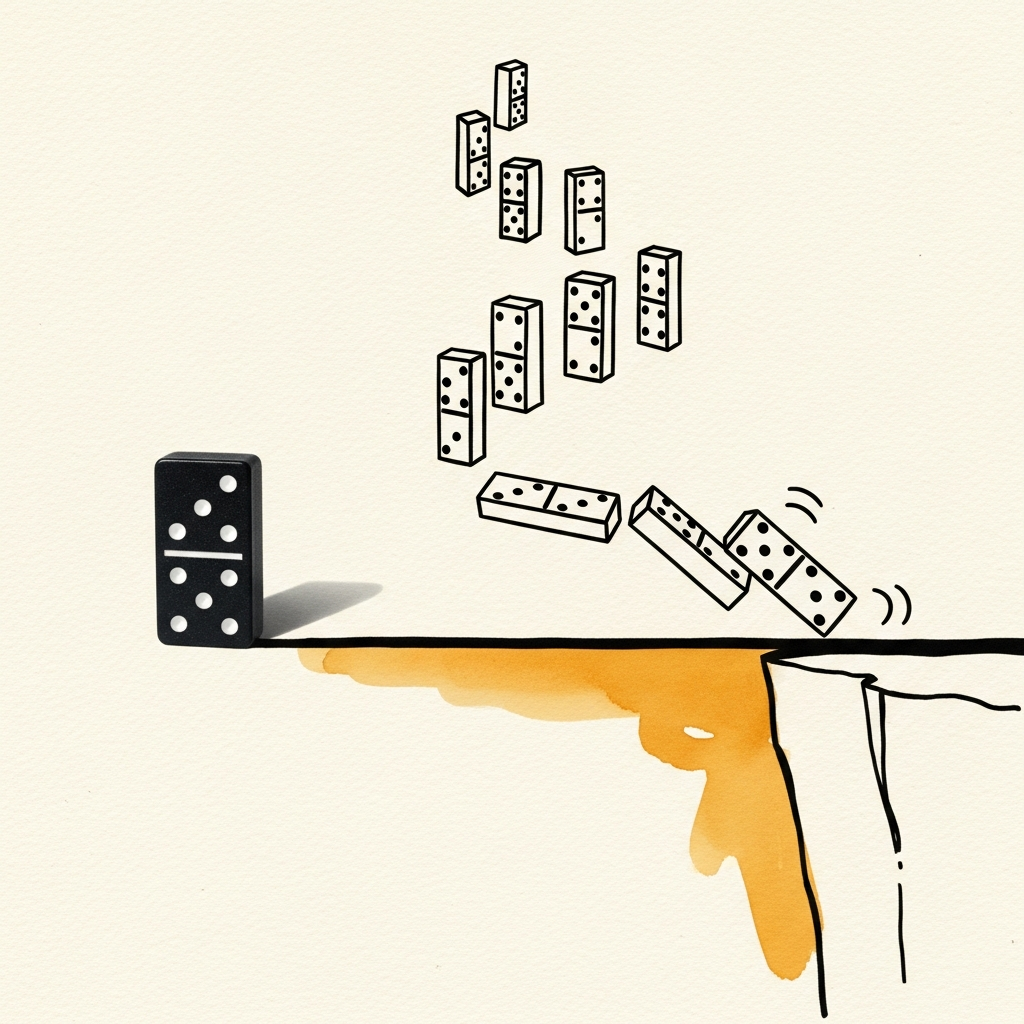
3 PPC myths you can’t afford to carry into 2026
Here’s the reality: automation in PPC is like a self-driving car. Yes, it can handle the highway, but if you’re not watching the road, you’ll end up in a ditch—or, more likely, burning through your budget on search terms that make you question humanity’s collective intelligence. In 2025, platforms like Google’s Performance Max finally gave us more transparency and control (hallelujah), but that doesn’t mean you can nap in the back seat. You still need to steer: set clear goals, monitor channel-level performance, and—crucially—feed the machine good data. Automation is a tool, not a babysitter.
Why does this matter? Because the marketers who treat automation as a black box are the ones who wake up to find their ads running on free online games for toddlers when they sell enterprise SaaS. The winners in 2026 are the ones who treat automation as a dance partner, not a replacement. You lead, it follows. And if it steps on your toes, you adjust.
Myth #2: Brand Building and Lead Gen Are Mutually Exclusive—Pick a Lane
If I had a dollar for every time someone told me, We’re pausing brand campaigns to double down on lead gen, I’d have enough to buy a Super Bowl ad (or at least a 15-second pre-roll on YouTube). This myth is as persistent as it is dangerous: the idea that you have to choose between building your brand and driving conversions.
Here’s the truth: in 2026, the most effective PPC strategies are the ones that blend both. Think of it like a great playlist—you need the bangers to get people on the dance floor (brand), but you also need the slow jams to close the deal (lead gen). Research shows that a 60/40 split between brand and performance is the sweet spot for long-term growth. Why? Because nobody fills out a demo request form the first time they see your logo. Brand campaigns warm up the audience, build trust, and make your lead gen dollars work harder.
Ignore this, and you’ll end up with a funnel full of cold leads who ghost you faster than a bad Tinder date. Embrace it, and you’ll see your cost per acquisition drop—not because you chased every click, but because you built a brand people actually want to buy from.
Myth #3: Keywords Are King—Just Bid on the Right Ones and You’ll Win
Let’s pour one out for the golden age of keyword targeting. There was a time when you could outsmart the competition with a clever list of long-tails and a few negative keywords. But in 2026, the game has changed. AI-powered search, signal-led targeting, and privacy regulations have made the old playbook about as relevant as fax machine optimization.
Today, it’s not just about keywords—it’s about signals. Who’s visiting your site? What are they researching? Are they showing real buying intent, or just killing time between Zoom calls? The best PPC marketers are using tools to de-anonymize traffic, enrich data, and build campaigns around actual behavior, not just search terms. It’s Account-Based Advertising 2.0: less spray and pray, more right message, right company, right time.
Why does this matter? Because if you’re still obsessing over keyword lists while your competitors are targeting entire buying committees based on intent signals, you’re not just behind—you’re invisible. The future of PPC is about context, not just queries.
So, What’s the Lesson Here?
PPC in 2026 isn’t about chasing the latest hack or worshipping at the altar of automation. It’s about blending human strategy with machine efficiency, building brands while driving results, and trading in your keyword crown for a seat at the data table. The marketers who win aren’t the ones with the fanciest dashboards—they’re the ones who know when to trust the algorithm, when to override it, and when to remind the board that Return on Imagination is just as important as ROI.
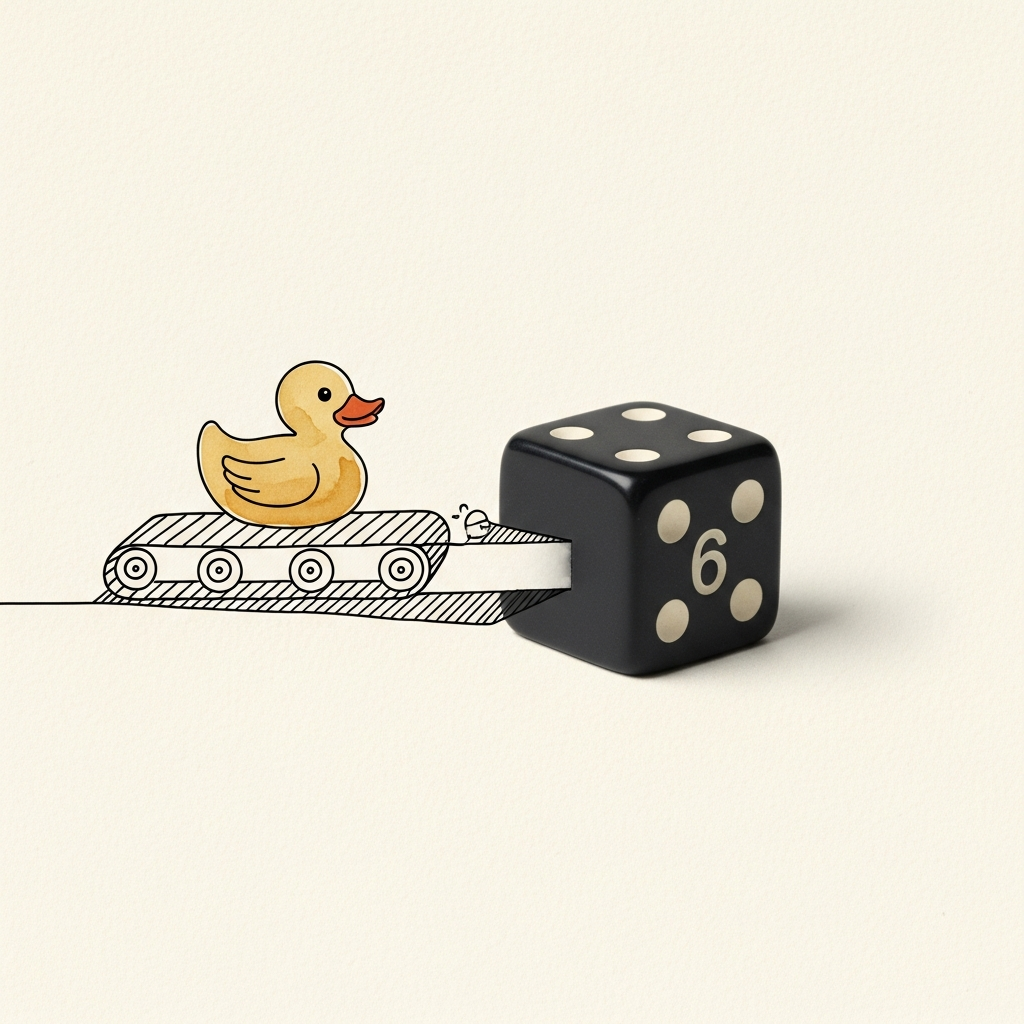
3 PPC myths you can’t afford to carry into 2026
Remember: marketing is a marathon with weekly sprints. Don’t let old myths trip you up at the starting line. And if you ever find yourself tempted to set and forget, just picture your ad budget riding off into the sunset—on a horse, waving goodbye.
Now, go forth and myth-bust. Your Q4 numbers (and your future self) will thank you.